What effects does sucralose have on our microbiome and our health?
The artificial sweetener sucralose is increasingly coming under suspicion of having harmful effects on humans. But is there any truth to this? What interactions exist between sucralose and the microbiome? Is this just scaremongering, or are there study-backed facts to support it?
Beverages, dairy products, confectionery, baked goods, frozen products, seasonings, sauces, food supplements, protein shakes - the list of foods in which sucralose is used as a "sweetening substance", i.e. as a sweetener, seems almost endless. This is because sucralose has the highest degree of sweetening of all conventional sweeteners. Compared to conventional sugar, sucralose is 400 to 600 times sweeter.
This has two major advantages: Firstly, even substances that do not taste good can be made edible with only small quantities, and secondly, the small quantities used mean that the costs are low. The food industry therefore benefits twice over.
In one kilogram of protein powder, the typical amount is between 0.1 and 0.5 grams. This means that a 50-gram serving of protein powder contains about 5 to 25 milligrams of sucralose. This may not seem like much at first glance, but it is not.
Approval process and false assumptions: What went wrong with sucralose?
When the original approval was granted by the US Food and Drug Administration (FDA) in 1998, it was based on the following assumptions:
- Stability in the body: Sucralose should pass through the intestine almost completely and unchanged and be excreted again.
- No effect on the gut microbiome: Sucralose should be inert, i.e. biologically inactive, and have no effect on the bacteria.
- No impairment of the intestinal barrier: Sucralose should have no harmful effect on the intestinal wall.
- No bioaccumulation: Sucralose should not accumulate in the body.
- No effects on glucose or insulin metabolism: Sucralose should not interact with blood glucose levels.
- No carcinogenic properties: Sucralose should not increase the risk of cancer.
Today, there is growing evidence that several of these assumptions are untenable. Studies in animals and cell cultures, as well as some human studies, point to effects that were not taken into account during the approval process. The clarity of the evidence varies depending on the specific research question.
Discovery and marketing: sucralose - a chance discovery with enormous potential
A researcher at Tate & Lyle, in collaboration with the University of London, discovered sucralose in 1976 when he mistakenly tested the compound and noticed its extremely sweet taste. The company focuses on specialty ingredients for the food and beverage industry. The enormous economic benefits were quickly recognized, and initial safety and efficacy tests were followed by an aggressive market launch of the product in the 1990s, initially under the brand name Splenda.
Natural or artificial? Sucralose compared to other sweeteners
The sweetener is considered a synthetic sweetener, in contrast to stevia, which is classified as a natural sweetener. Sucralose does not occur in nature and is produced by modifying household sugar by replacing certain hydroxyl groups with chlorine atoms. This chlorination changes the structure considerably. The FDA also classifies sucralose as an artificial sweetener.
Which form of sucralose is harmful?
Pure sucralose is already harmful, contrary to the FDA's approval at the time. This has been clearly demonstrated in various studies. It is particularly harmful if taken over a long period of time. However, as it is used as a sweetener in so many products, it is quickly absorbed.
In addition, sucralose is partially converted into sucralose-6-acetate in the intestine. This degradation product is also present in low but relevant concentrations in commercially available sucralose. Sucralose-6-acetate is much more harmful than sucralose itself.
Sucralose and the Microbiome: What Happens in the Gut?
There are two main interactions between sucralose and the microbiome:
Promotion of the decomposition product sucralose-6-acetate by the bacteria
This is a hypothesis that is currently being tested. Here, the microbiome would directly support the conversion of sucralose into the more harmful form sucralose-6-acetate. This seems likely, as microorganisms possess the enzymes required for this. The acidic environment of the stomach could also play a role, as could products formed by the microbiome, which could then interact with sucralose to form sucralose-6-acetate.
Direct effect of sucralose on the microbiome
The negative influence on the microbiome should be mentioned here first and foremost. Not only does it change, but studies have shown that beneficial intestinal bacteria such as Lactobacillus and Bifidobacterium in particular are specifically reduced, while the growth of pro-inflammatory bacteria is promoted. An imbalanced microbiome is the cause of many diseases and should be avoided as far as possible.
Further damage to health caused by sucralose
But sucralose and its breakdown product cause much more than a negative influence on the microbiome. Only the three most significant health hazards caused by consumption are listed below.
A. Impairment of intestinal integrity
Sucralose and even more so the breakdown product sucralose-6-acetate can weaken the intestinal wall via various mechanisms, such as oxidative stress, disruption of cell connections, inflammatory reactions and changes in the microbiome. This contributes to the dreaded "leaky gut syndrome", in which bacteria and their toxins from the intestine enter the bloodstream.
The intestinal wall is a very important protective barrier against the large quantities of bacteria present in the intestine. If this barrier breaks down, bacteria, toxins, and undigested food particles enter the bloodstream. This leads to a variety of health problems, such as inflammatory reactions, autoimmune diseases, and hormonal imbalances.
The patient notices this above all through gastrointestinal complaints, tiredness, headaches, skin problems and a variety of other health problems.
Leaky gut syndrome can be detected by various diagnostic tests, as certain substances, for example, are detected in increased quantities in the bloodstream. Treatment of leaky gut syndrome is possible, but requires a holistic approach.
B. Impairment of glucose metabolism
When sucralose is ingested, the pancreas releases increased amounts of insulin. A prolonged, excessive insulin response eventually leads to insulin resistance. As a result, less sugar is taken up from the blood into muscle, fat, and liver cells, causing blood sugar levels to rise. This results in type 2 diabetes.
C. Promotion of cancer
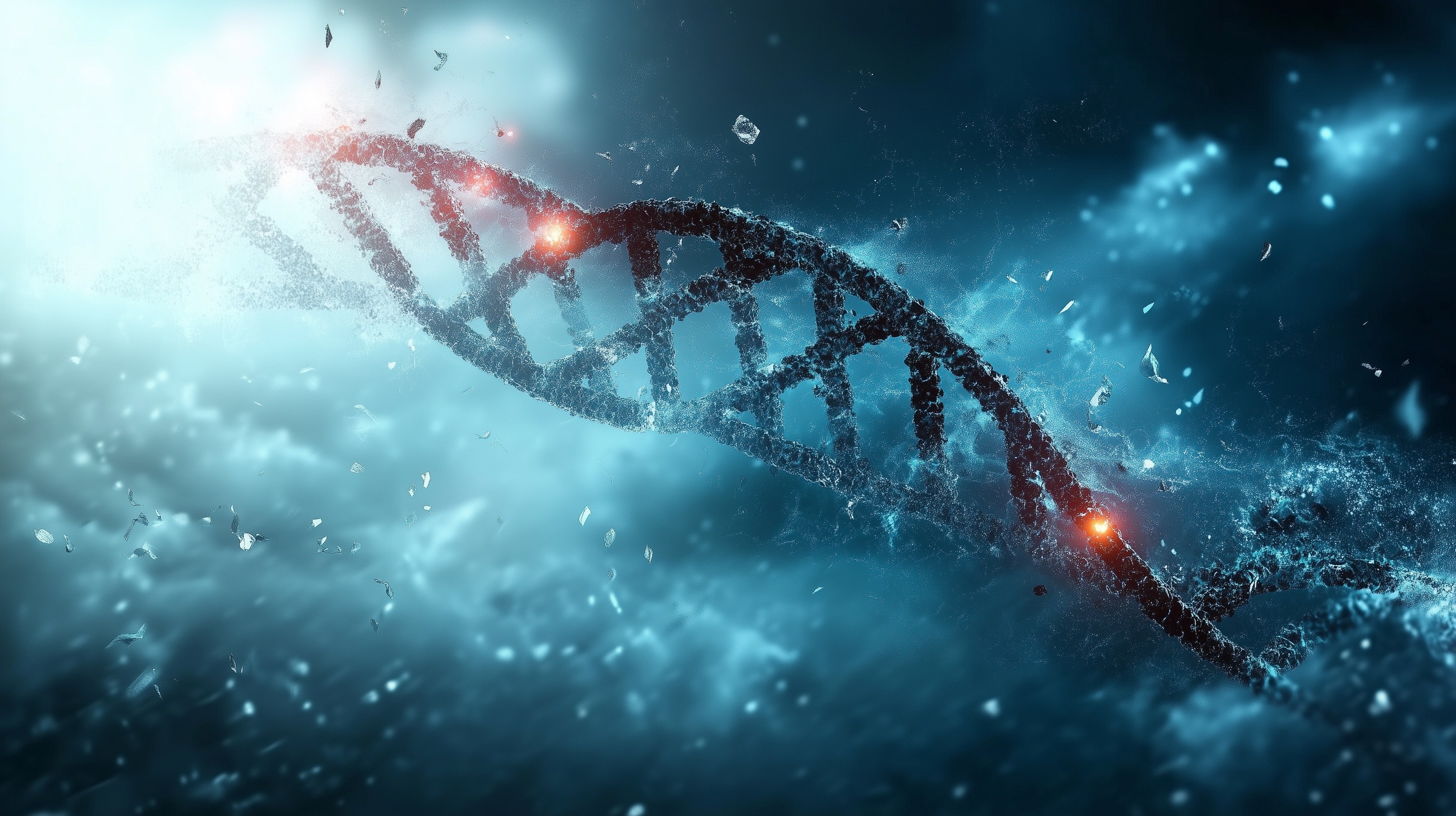
The breakdown product of sucralose, sucralose-6-acetate, and to a lesser extent sucralose itself, have been shown in studies to have increased genotoxicity. This damages the DNA in the cells, which in turn triggers mutations and can potentially cause cancer. The sweetener also has a direct effect on the repair mechanism, i.e. cells are less able to repair DNA damage, which in principle occurs all the time. Increased mutations and cancer are the result.
Genotoxicity is probably the most drastic health side effect because it is directly relevant at the DNA level. It is important to keep this in mind once again: Here is a substance that has the potential to damage the DNA in our cells. In addition, it also inhibits the repair of the genetic damage it has caused. A truly toxic system.
What concentration of sucralose is harmful to the body?
As always, the dose makes the poison with sucralose. So the question is: can sucralose and its breakdown product be harmful to health even in normal concentrations? Can sucralose influence the microbiome? The answer is quite clear: Yes!
In cell culture experiments (in vitro), the breakdown product sucralose-6-acetate exhibited genotoxic effects even at low concentrations (Schiffman et al. 2023). Although these laboratory findings cannot be directly extrapolated to humans, they serve as a warning sign that strongly suggests the need for further research. In addition, both sucralose and sucralose-6-acetate undergo bioaccumulation, meaning they accumulate in the body over the long term.
Why isn't sucralose already banned? A look behind the scenes
The main problem is that sucralose has already been approved. Revoking this is a complex regulatory process in which many economic interests play a role as well as potential recourse claims. However, the studies for approval all took place in the 1990s, when the molecular biological methods that are used today were not yet available.

In addition, the genotoxicity experiments were carried out on in vitro cell cultures or in animal models and are therefore not comparable per se with human studies. But this is where the problem of our time becomes apparent: nowadays, cell culture studies are increasingly being demanded to replace human studies and also animal experiments for ethical reasons. However, if these "surrogate studies" show a risk, no consequences are drawn because there are no corresponding human studies.
But would you - in the case of sucralose - explicitly carry out experiments on humans? And is it not sufficient if concentrations that are common when consuming sucralose show damage to DNA in cell cultures and animal experiments? Is there really a need for a transfer to humans, which is unlikely to take place in this form for the reasons mentioned above?
A vicious cycle emerges: Conclusions are drawn only when there is evidence from human studies—which, however, are not conducted because of fears of negative consequences. In the meantime, nothing happens! Sucralose remains permitted, and people may continue to be put at risk as a result. It remains to be seen whether the laboratory findings will be reflected in cancer statistics over the long term. Cancer has multifactorial causes and is rarely attributable to a single cause. Basically, given that sucralose has already been approved by the FDA and in light of corporate lobbying, it is unlikely that a ban on sucralose will be imposed in the near future. The ones who may end up suffering as a result are the—uninformed—consumers.
Why are there actually sweeteners?
But once again, the problem lies deeper. The use of sucralose and other sweeteners is just one response to the market. It is a symptom and not the cause. The problem is the consumer's desire for everything to taste as "good" as possible, in other words sweet. The extent to which the food industry has educated consumers to do this is not a matter for discussion here. However, the fact is that consumers are not prepared to compromise: Nutrition should be low in calories and still be tasty.
It is easy for the industry to make a tasteless product such as a sugar-free juice or a protein mix with sucralose taste more pleasant. And it does so because otherwise its products would not be accepted by most consumers, who in turn have become accustomed to the sweetness in food as a result of years of sugar use in high concentrations by the food industry.
This vicious cycle must be broken. And that can only be achieved through independent investigation.
____________________
Further reading:
Romo-Romo, A., Aguilar-Salinas, C. A., Brito-Córdova, G. X., Gómez-Díaz, R. A., & Almeda-Valdes, P. (2018). Sucralose decreases insulin sensitivity in healthy subjects: A randomized controlled trial. American Journal of Clinical Nutrition, 108(3), 485–491. doi: 10.1093/ajcn/nqy152.
Pepino, M. Y., Tiemann, C. D., Patterson, B. W., Wice, B. M., & Klein, S. (2013). Sucralose affects glycemic and hormonal responses to an oral glucose load in obese subjects. Diabetes Care, 36(9), 2530–2535. doi: 10.2337/dc12-2221.
Li, X., Liu, Y., Wang, Y., Li, X., Liu, X., Guo, M., … & Jiang, M. (2020). Sucralose promotes the risk of colitis-associated colorectal cancer in a murine model, along with changes in the microbiota. Frontiers in Oncology, 10, Article 710. doi: 10.3389/fonc.2020.00710.
Bian, X., Chi, L., Gao, B., Tu, P., Ru, H., & Lu, K. (2017). Gut microbiome response to sucralose and its potential role in inducing liver inflammation in mice. Frontiers in Physiology, 8, Article 487. doi: 10.3389/fphys.2017.00487.
Schiffman, S. S., & Rother, K. I. (2013). Sucralose, a synthetic organochlorine sweetener: Overview of biological issues. Journal of Toxicology and Environmental Health, Part B, 16(7), 399–451. doi: 10.1080/10937404.2013.842523.
Schiffman, S. S., Scholl, E. H., Furey, T. S., & Nagle, H. T. (2023). Toxicological and pharmacokinetic properties of sucralose-6-acetate and its parent compound, sucralose: In vitro screening assays. Journal of Toxicology and Environmental Health, Part B, 26(6), 307–341. doi: 10.1080/10937404.2023.2213903.